


Visceral fat is often described as the fat people cannot see, but its impact can be significant. Unlike subcutaneous fat, which sits closer to the surface of the body, visceral fat surrounds internal organs and is closely connected to inflammation, metabolic health, and long-term disease risk. Because of this, reducing visceral fat is not only about appearance. It is about improving the body’s internal environment.
In this case, the goal was clear: reduce visceral fat quickly, safely, and sustainably. Over 80 days, our client reduced visceral fat by 60% by following a focused protocol built around five core habits. There were no extreme cardio routines, no complicated supplement stacks, and no unnecessary complexity. The results came from consistently applying the fundamentals.

The first step and most important change was eliminating alcohol completely. Alcohol can work against fat loss in several ways. It increases inflammation, stimulates appetite, and forces the body to prioritize metabolizing alcohol before it returns to using stored fat for energy. In the plan, every drink represented a step away from the goal. Removing alcohol became the fastest and most effective lever for accelerating progress.
The second step was optimizing nutrition around a Mediterranean style diet with a strong emphasis on polyphenol rich foods.

Polyphenols are naturally occurring compounds found in plant foods, and they support many of the systems involved in metabolic health. Meals were built around real foods such as olive oil, berries, leafy greens, and green tea. The focus was not on supplements, but on creating a daily eating pattern that reduced inflammation, supported gut health, and helped regulate the internal signals related to fat storage.

Strength training was the third pillar. Our client lifted three times per week, with each major muscle group trained twice weekly. The sessions were short, focused, and built around compound movements. This approach helped preserve and build muscle, which is one of the body’s strongest defenses against visceral fat. More muscle increases metabolic activity at rest and improves the body’s ability to manage energy efficiently.
The fourth step was daily movement. Our client walked at least 7,500 steps per day, often during calls or after meals.
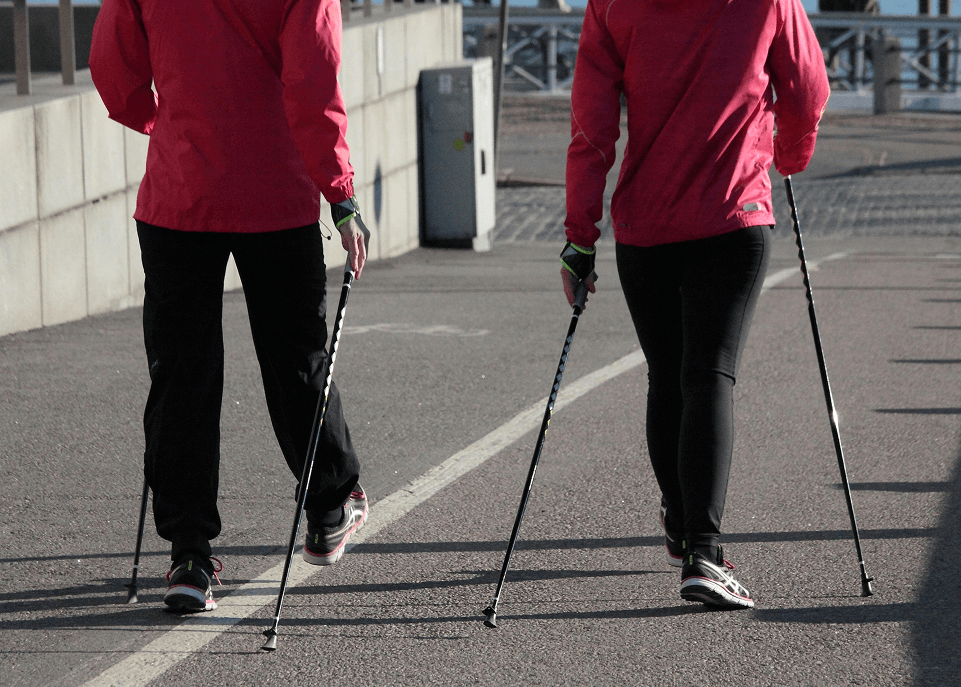
Walking was chosen because it is sustainable, low stress, and easy to integrate into a normal schedule. It allowed for increased daily energy expenditure without relying on exhausting cardio sessions or creating unnecessary strain on the body.

Finally, sleep became a priority through the ERT protocol: Environment, Routine, and Timing. This meant improving the conditions around sleep, creating a consistent wind-down routine, and aligning sleep timing with the client’s schedule. Better sleep helped support recovery, energy, appetite regulation, and consistency across the rest of the plan.
The results after 80 days were substantial:
- Visceral fat down 60% — a major improvement in internal body composition
- Blood markers normalized — reflecting better overall metabolic health
- Energy stabilized — with fewer crashes throughout the day
- No excessive cardio required — only consistent execution of the basics
This transformation shows that meaningful fat loss does not always require extreme methods. In many cases, the most powerful protocol is also the simplest: remove the biggest obstacles, eat high-quality food, build muscle, move daily, and protect sleep.
The fat people cannot see is often the fat that matters most. Fortunately, with the right structure and consistent action, it can also respond quickly.