

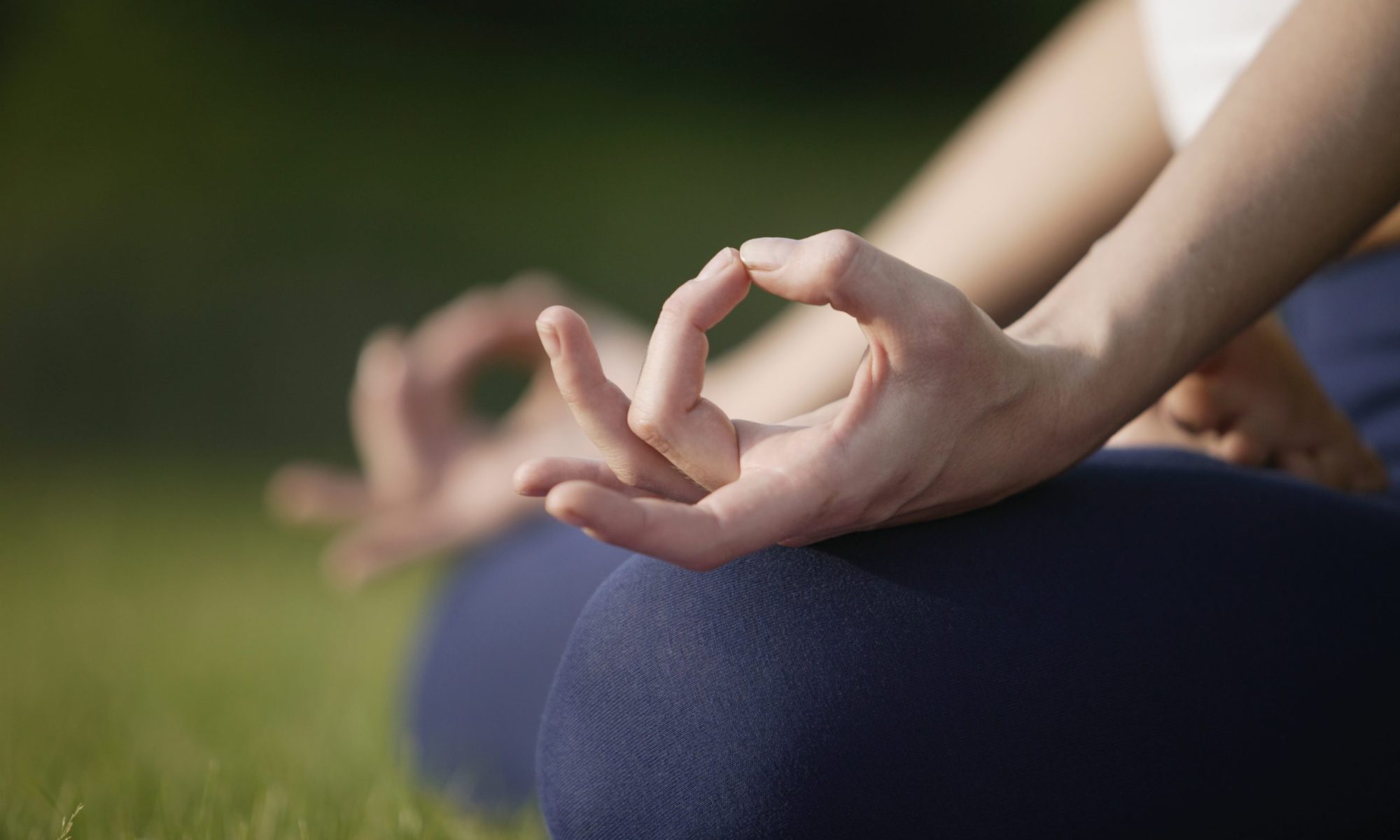
Meditation is often presented as a wellness trend, but for many people it is something far more consequential: a method for developing clarity, composure, and deeper self-awareness. Its appeal cuts across professions and lifestyles. Artists use it to quiet noise and access creativity. Athletes use it to improve focus. Business leaders use it to steady themselves under pressure.
Common assumption that meditation is only about relaxation. In most successful people’s case, meditation was not a retreat from ambition. It was a tool that helped them think more clearly, remain emotionally balanced, and access deeper levels of creativity. At its core, meditation is the practice of training attention. Instead of allowing the mind to jump endlessly from one thought to another, meditation creates a structured moment of stillness. Some methods focus on the breath. Some use bodily awareness. Others, like Transcendental Meditation, use a mantra: a sound or word repeated silently in the mind. The goal is not to force the mind into emptiness, but to gently lead it away from distraction and into a quieter state of awareness.
Meditation also offers a practical counterweight to the demands of modern life. Most people live in a state of near-constant stimulation, moving between emails, messages, deadlines, and worries without pause. Over time, that mental overactivity can produce stress, fatigue, and reactivity. Meditation interrupts that cycle. It creates a space in which a person can stop reacting and begin observing. That shift, though subtle, is powerful. It can make someone less impulsive, more centered, and better able to handle pressure.
For beginners, the idea of meditation can seem intimidating, especially when it is described in mystical or overly technical language. In reality, the entry point is simple. Meditation begins by sitting still, choosing an object of focus, and returning to it whenever the mind wanders. The mind will wander. That is normal. The practice is in the returning.

A Step-by-Step Guide to Meditation
1. Choose a quiet place.
Find a space where you are unlikely to be interrupted. It does not need to be perfectly silent, but it should feel calm enough for a few minutes of uninterrupted attention.
2. Sit comfortably.
Sit in a chair or on a cushion with your back upright but not rigid. You do not need a special pose. The goal is to be relaxed and alert at the same time.
3. Decide on your method.
For a simple beginner practice, use one of these:
- your breath
- a silent word or mantra
- bodily sensations
4. Close your eyes or lower your gaze.
This reduces distraction and helps turn attention inward.
5. Begin focusing gently.
If you are using the breath, notice the inhale and exhale.
If you are using a mantra, repeat it silently and softly in your mind.
Do not strain. The attention should be light, not forced.
6. Let thoughts come and go.
You do not need to stop thinking. Thoughts will arise naturally. When you notice that your attention has drifted, simply return to the breath or mantra without frustration.
7. Stay with the practice for a set time.
Start with 5 to 10 minutes. As it becomes easier, you can extend it to 15 or 20 minutes. Consistency matters more than duration.
8. End slowly.
When your time is up, do not jump up immediately. Sit for a moment, notice how you feel, and then return gradually to normal activity.
9. Practice regularly.
Meditation works through repetition. A short daily practice is more useful than an occasional long session.
Over time, this simple discipline of returning your attention again and again becomes not just a practice, but a quiet advantage in how you think, act, and experience the world.
If you don’t have your favorite music I can share mine which I used for my meditations.