

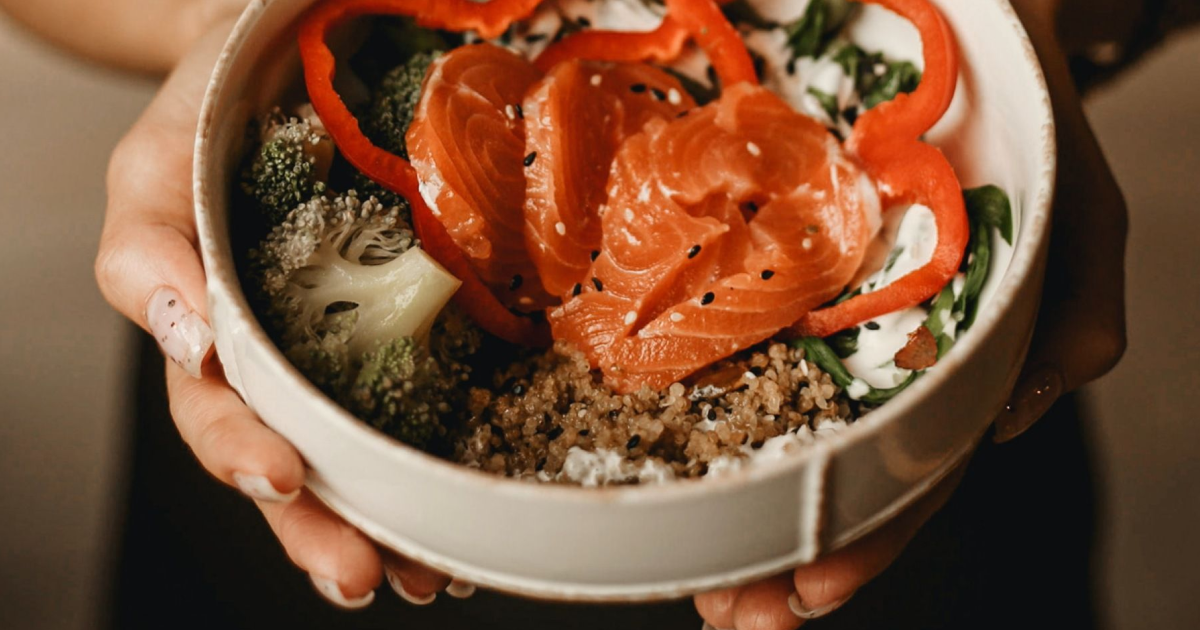
What we eat can influence far more than our weight or energy levels. Nutrition also plays an important role in maintaining brain health as we age. Research has linked poor nutrition with smaller brain volumes, including changes in areas such as the hippocampus, which is central to memory and learning.
The encouraging news is that supporting your brain does not require an elaborate diet plan. A few consistent, nutrient-rich choices can become simple habits that support focus, memory, and long-term cognitive health.
Here are five foods worth making part of your routine.
1. Blueberries
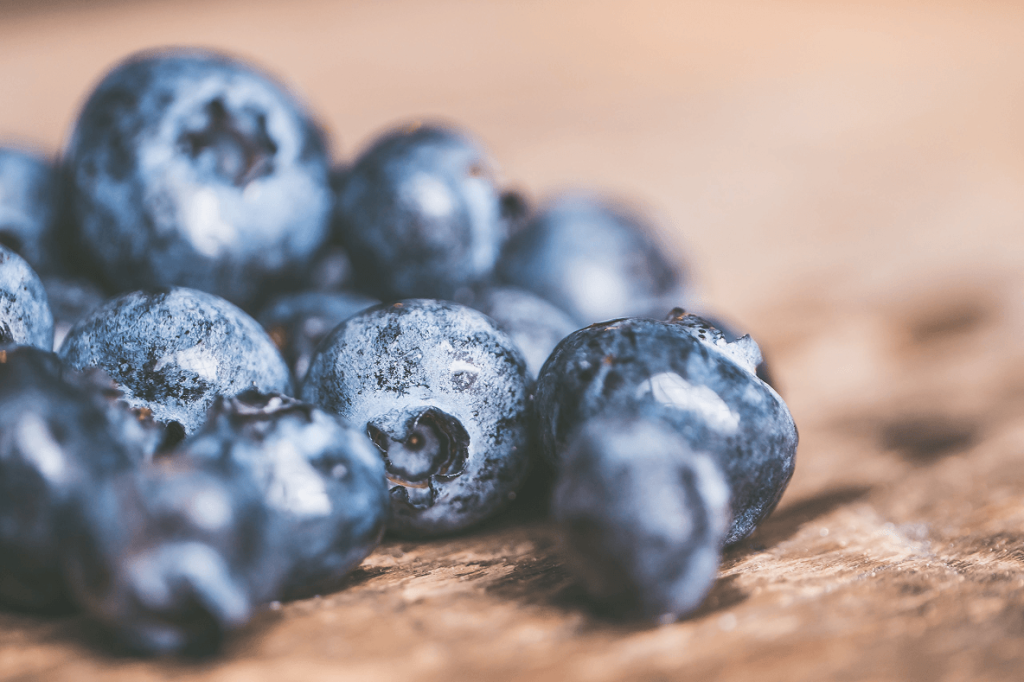
Blueberries are among the most nutritious foods you can add to a brain-friendly diet. Rich in antioxidants, they may help combat oxidative stress and inflammation—two processes associated with cognitive decline.
They also contain compounds that support brain regions involved in memory, decision-making, and attention. Research suggests that regular berry consumption may support cognitive performance and healthy brain aging, particularly in older adults.
You do not have to wait until you notice changes in your memory to start. Building healthy habits earlier may help create greater resilience over time.
If blueberries are not your favorite, try blackberries or raspberries. They offer similar nutritional advantages and can be just as easy to incorporate.
Simple options include:
- Adding a handful to a smoothie
- Stirring them into Greek yogurt
- Eating them frozen as a quick snack
A small serving can be an easy daily habit.
2. Avocados
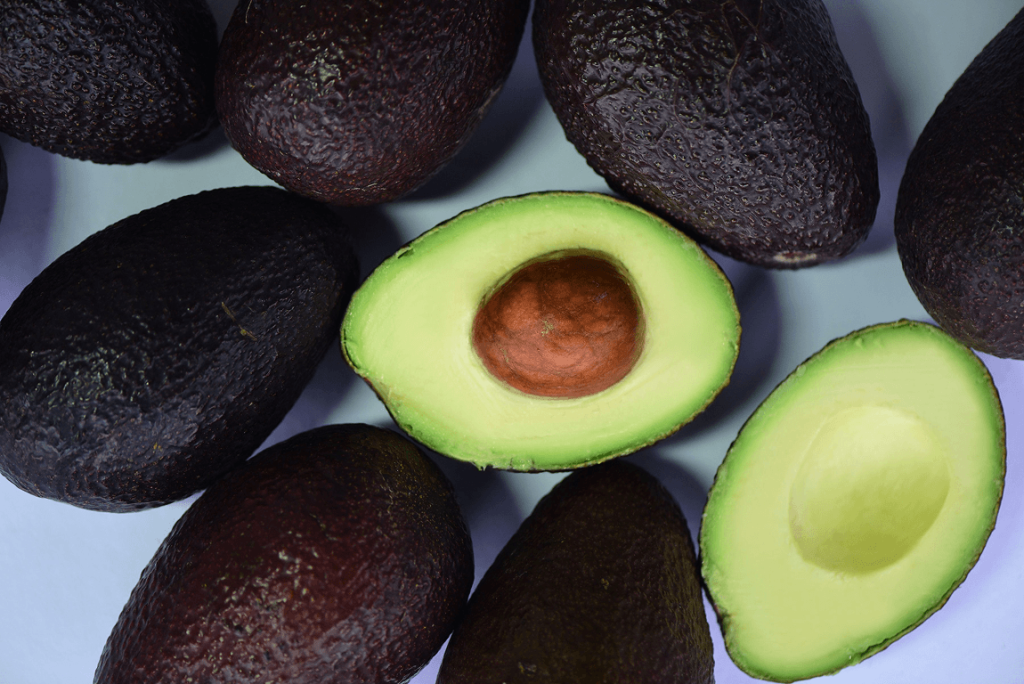
Your brain needs healthy fats, and avocados are an excellent source of monounsaturated fat. These fats can support cardiovascular health and healthy blood flow, important factors for delivering oxygen and nutrients throughout the body, including the brain.
Avocados are remarkably versatile. You can eat half an avocado with lemon and a little salt, mash it onto whole-grain toast, or add it to salads and meals.
If you do not enjoy avocados or they are unavailable, extra-virgin olive oil is another useful source of healthy monounsaturated fats. Use it as a salad dressing or drizzle it over roasted vegetables.
Small additions like these can contribute to a long-term pattern of brain-supportive eating.
3. Wild Salmon

The brain is composed largely of fat and water, making the quality of dietary fats particularly important. Wild salmon is rich in omega-3 fatty acids, including DHA and EPA, which play important roles in brain structure and cellular communication.
Omega-3 fatty acids may also help regulate inflammation, and adequate intake has been associated with cognitive health and healthy brain aging.
If fish is not part of your diet, plant-based sources such as chia seeds, walnuts, and flaxseeds can provide another way to incorporate beneficial fats.
Try grilling or baking salmon once or twice a week with lemon and herbs. For a plant-based option, add chia seeds or walnuts to smoothies, oatmeal, or yogurt.
The goal is not perfection. It is creating habits you can maintain.
4. Dark Chocolate

Yes, chocolate can make the list—but the type matters.
Dark chocolate containing at least 70% cacao provides flavonoids, plant compounds that may support blood flow and cardiovascular health. Cacao also contains compounds that can contribute to alertness and mood.
If dark chocolate is not appealing, green tea is another option. Matcha can provide a concentrated source of antioxidants along with L-theanine, an amino acid associated with a calmer form of alertness.
Be careful with sweetened matcha beverages, however. Many café drinks and commercial powders contain significant amounts of added sugar or other additives. Check the ingredient list and look for pure matcha without unnecessary sweeteners.
A couple of squares of dark chocolate can work as an occasional snack, while green tea or matcha may fit naturally into a focused work session. Because these foods and beverages can contain caffeine, consider the timing if caffeine interferes with your sleep.
5. Leafy Greens
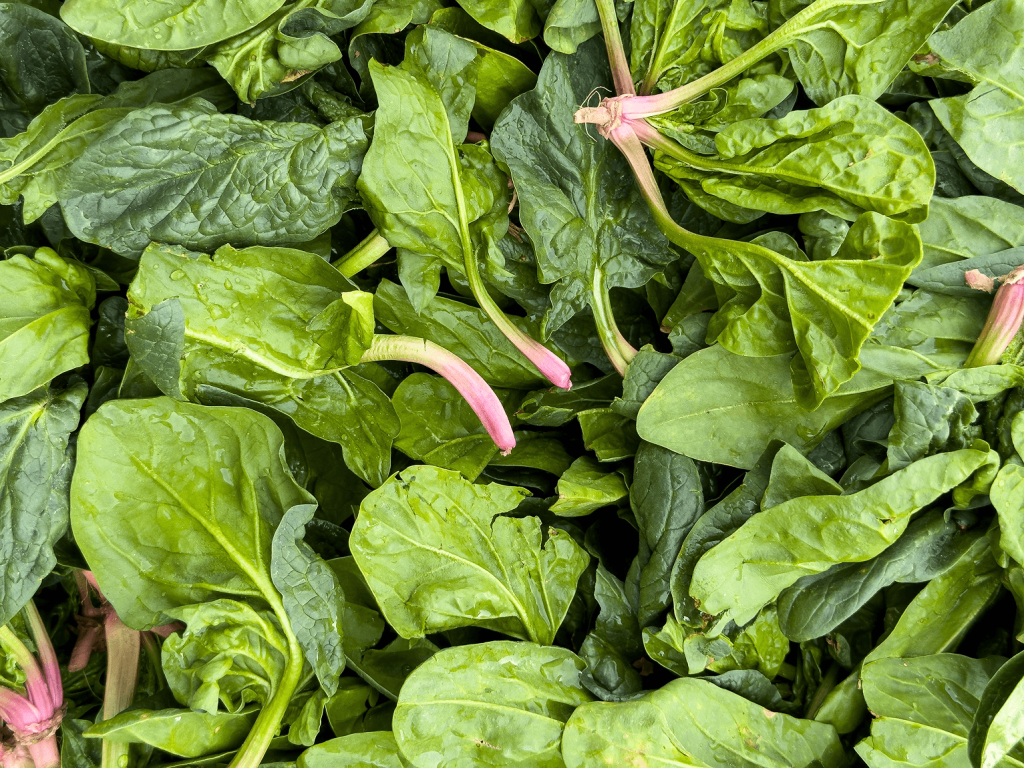
Spinach, kale, Swiss chard, and arugula are packed with nutrients associated with brain health, including folate, vitamin K, and lutein. Regular consumption of leafy greens has been associated with better cognitive health and slower cognitive decline.
If leafy greens are not your favorite, broccoli and Brussels sprouts are excellent alternatives.
There are plenty of simple ways to increase your intake:
- Add spinach to eggs in the morning.
- Blend spinach into a smoothie.
- Build lunch around a substantial salad.
- Roast broccoli or Brussels sprouts with olive oil and garlic.
- Add them to stir-fries or steam them with lemon.
The important thing is not to overhaul your diet overnight.
Start Small and Stay Consistent
You do not have to incorporate all five foods immediately. Start with one, make it part of your routine, and build from there.
The larger lesson is consistency. Small nutritional habits, repeated over months and years, can contribute to a broader pattern of healthy aging.
A brain-supportive diet is not about one magical food. It is about regularly giving your body the nutrients it needs while maintaining other fundamentals of health, including physical activity, adequate sleep, and overall dietary quality.
What you eat matters—not only for your body, but for your brain. Every meal is an opportunity to support your future self: the person you want to remain mentally clear, engaged, capable, and present in the decades ahead.
Feed your brain like it matters, because it does.