


Cold therapy often receives significant attention for its potential health benefits, but heat therapy deserves equal consideration. Sauna bathing, in particular, offers a practical way to expose the body to controlled thermal stress. When practiced regularly, even over a short period such as 14 days, sauna use may create meaningful changes in circulation, recovery, mood, and overall resilience.
The central mechanism behind sauna therapy is the body’s adaptation to mild stress. This is known as a hormetic effect. In simple terms, hormesis occurs when a manageable stressor challenges the body enough to stimulate repair, adaptation, and greater strength. Exercise, fasting, cold exposure, and sauna use all work through this principle. The stress itself is temporary, but the adaptation can be beneficial.
There are different types of saunas. Traditional saunas use external heat to raise the body’s temperature, while infrared saunas use infrared light, often at lower temperatures, to penetrate more deeply into tissues. Infrared saunas may offer their own distinct effects, but the focus here is on the traditional heated sauna and the broad range of benefits it may provide.
One of the most interesting effects of sauna bathing is its influence on hormones and neurotransmitters. Regular heat exposure may increase growth hormone, noradrenaline, dopamine, serotonin, and prolactin. These chemicals are involved in stress adaptation, mood regulation, energy, and recovery. Dopamine and serotonin, in particular, are closely connected to emotional balance, which may explain why many people feel calmer or more mentally refreshed after sauna use.
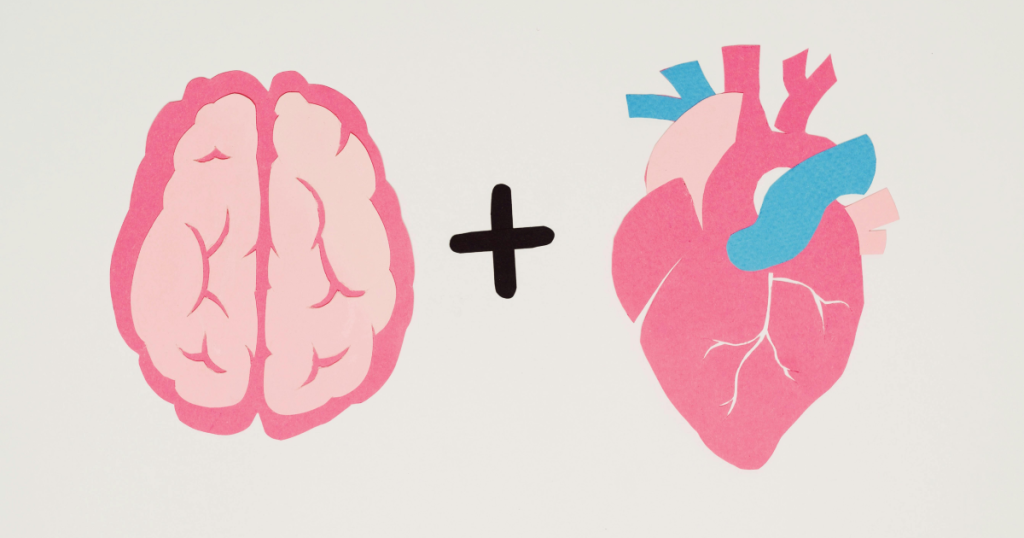
Sauna bathing also places a temporary demand on the cardiovascular system. While sitting in the heat, heart rate increases, circulation improves, and the body begins to respond in a way that resembles moderate aerobic exercise. Over time, this adaptation may help lower resting heart rate. A lower resting pulse is often associated with better cardiovascular fitness and may reflect a more efficient heart.

The lymphatic system may also benefit from sauna use. This system acts as a support network for circulation and immunity, helping move fluid through the body and supporting lymph nodes, where many immune processes take place. Increased circulation and sweating may encourage lymph flow, supporting the body’s natural cleansing and immune functions.
Several potential benefits are commonly associated with regular sauna bathing:
- Cardiovascular support – Sauna use may help improve circulation, lower resting heart rate, and support healthier blood pressure.
- Immune resilience – Heat exposure may strengthen immune function, potentially helping the body become more resistant to illness.
- Pain and inflammation relief – Sauna therapy may help reduce discomfort, stiffness, and inflammatory stress.
- Skin health – Improved circulation, sweating, and cellular renewal may contribute to healthier-looking skin.
- Cognitive support – Heat therapy may support brain function and has been associated with potential benefits for cognitive health.
- Metabolic improvement – Sauna use may increase insulin sensitivity, which can support healthier blood sugar regulation.
- Recovery from stress and exercise – Heat exposure may assist relaxation and recovery after physical or emotional strain.
Another important concept connected to sauna therapy is autophagy. Autophagy is the body’s internal recycling process, through which old or damaged proteins and cellular components are broken down and reused. Heat stress may help stimulate this process, supporting cellular repair and renewal. This may partly explain why sauna use is often associated with recovery, improved skin appearance, and a general sense of rejuvenation.
Sweating, however, introduces an important consideration: electrolyte balance. During sauna use, the body loses minerals through sweat, especially sodium, along with smaller amounts of potassium. Sodium levels may fall during repeated sauna sessions, which can be beneficial for some people but problematic for others, especially those who are fasting, eating a ketogenic diet, exercising heavily, or already low in electrolytes.

Potassium is equally important. Many people consume less potassium than their bodies need, and an imbalance between sodium and potassium can affect energy, hydration, blood pressure, and muscle function. For this reason, anyone using a sauna regularly should pay attention to mineral intake. In some cases, this may mean replacing both sodium and potassium in appropriate amounts rather than focusing on one alone.
From a practical perspective, sauna therapy is valuable because it allows the body to experience some exercise-like effects while at rest. The heart pumps more actively, circulation increases, sweating intensifies, and the body adapts to heat stress. While sauna bathing should not replace movement, it can be a powerful complement to exercise, recovery, and overall health practices.
The key is consistency and balance. Regular sauna use may support cardiovascular health, mood, immune function, metabolism, recovery, and cellular repair. At the same time, hydration and electrolytes should not be overlooked. When used thoughtfully, sauna therapy offers a simple but effective way to train the body’s resilience and support long-term well-being.